Why ART Vortn Vis exists
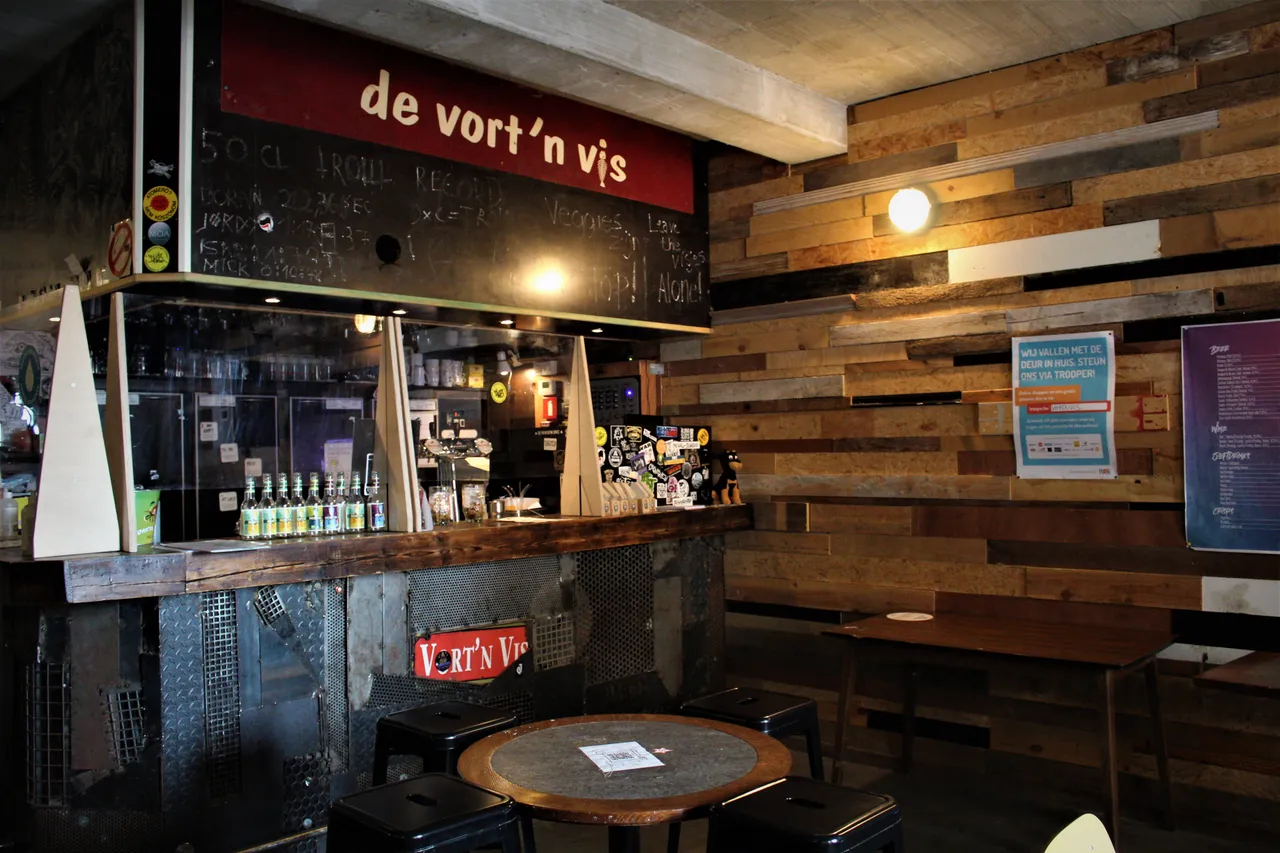
In 1989, Vort’n Vis was founded by young people who were “different”, who did not belong anywhere and could not find their thing anywhere else. The mainstream youth movements and youth centres were not for them, if only because they could not, or were not allowed to, do their thing there. They found their top-down approach too patronising. They felt that a kind of conformist thinking was pushing them into a frame they simply did not fit. They also no longer wanted to hide from the tourists, as the respectable people of Ieper at the time wanted them to. So they went ahead and founded their own place (their own safe space) where they were allowed to be themselves and could do their own thing. The guiding principle is DIY (Do It Yourself) and the free initiative that goes with it: do not wait for others to do something for you; take matters into your own hands and create your own thing, one that suits you.
Who comes together
Usually not ill, just “different”
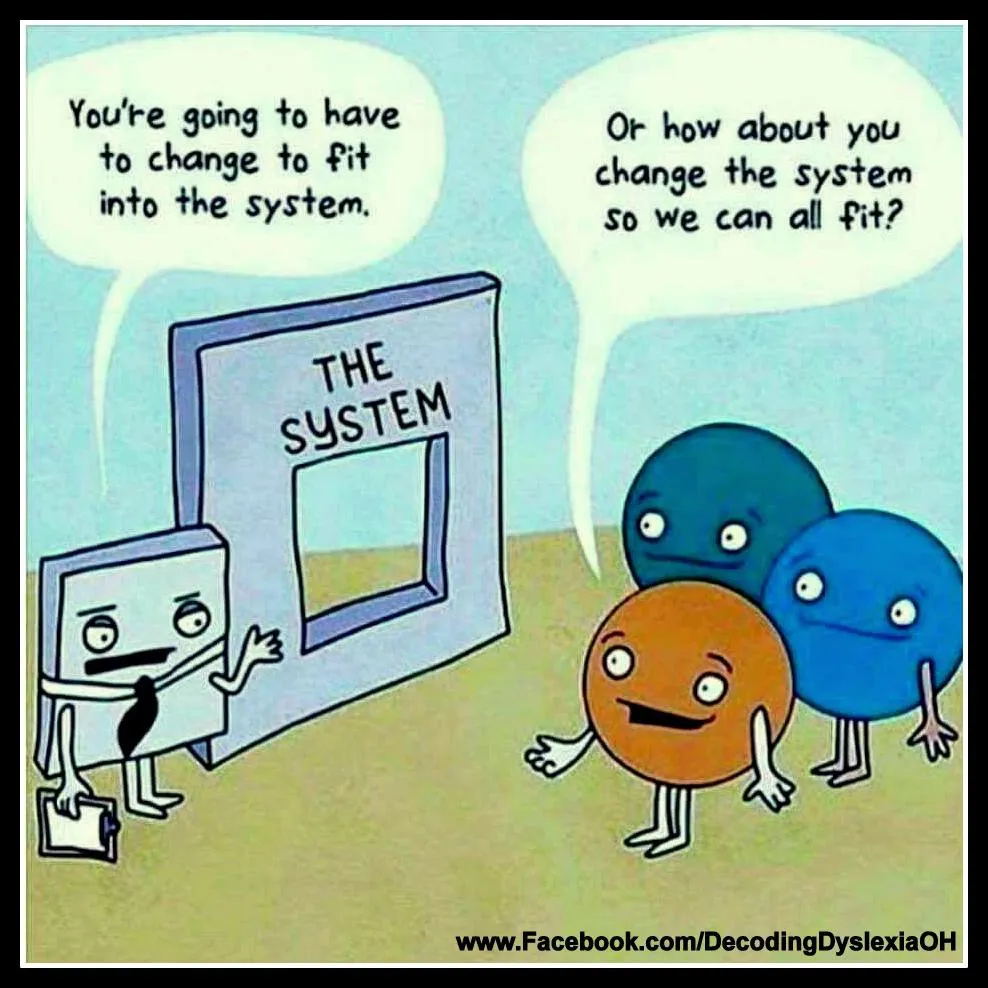
At ART Vortn Vis, people come together who are “different” in one way or another: neurodivergent (autism, ADHD/ADD, dyslexia/dyscalculia, gifted, highly sensitive, …), of foreign origin, with a different sexual orientation, with a traumatic past, … They experience the world around them differently and look at it in another way. Culturally, too, this often shows in an unconventional taste in music, clothing and hairstyle. They cannot settle into a framework of conformist thinking that, in the name of uniformity and efficiency, wants to push them into a frame that does not fit them. To them, such a “one size fits all” approach feels as if a circle has to fit into a square (so the circle has to make itself smaller if the square is not wide enough), and it makes them unhappy. Well-meant care often feels patronising to them, as if they were “little kids” of 3 years old. All the more so when their being “different” is needlessly problematised, or even pathologised and medicalised. Most of the time they are not ill, just “different”. Simply treating them as full human beings usually works much better. Nor does a mono-identity imposed by the dominant group in society suit them. A free, self-chosen identity suits them better.
Origin and status
All people on the same little globe
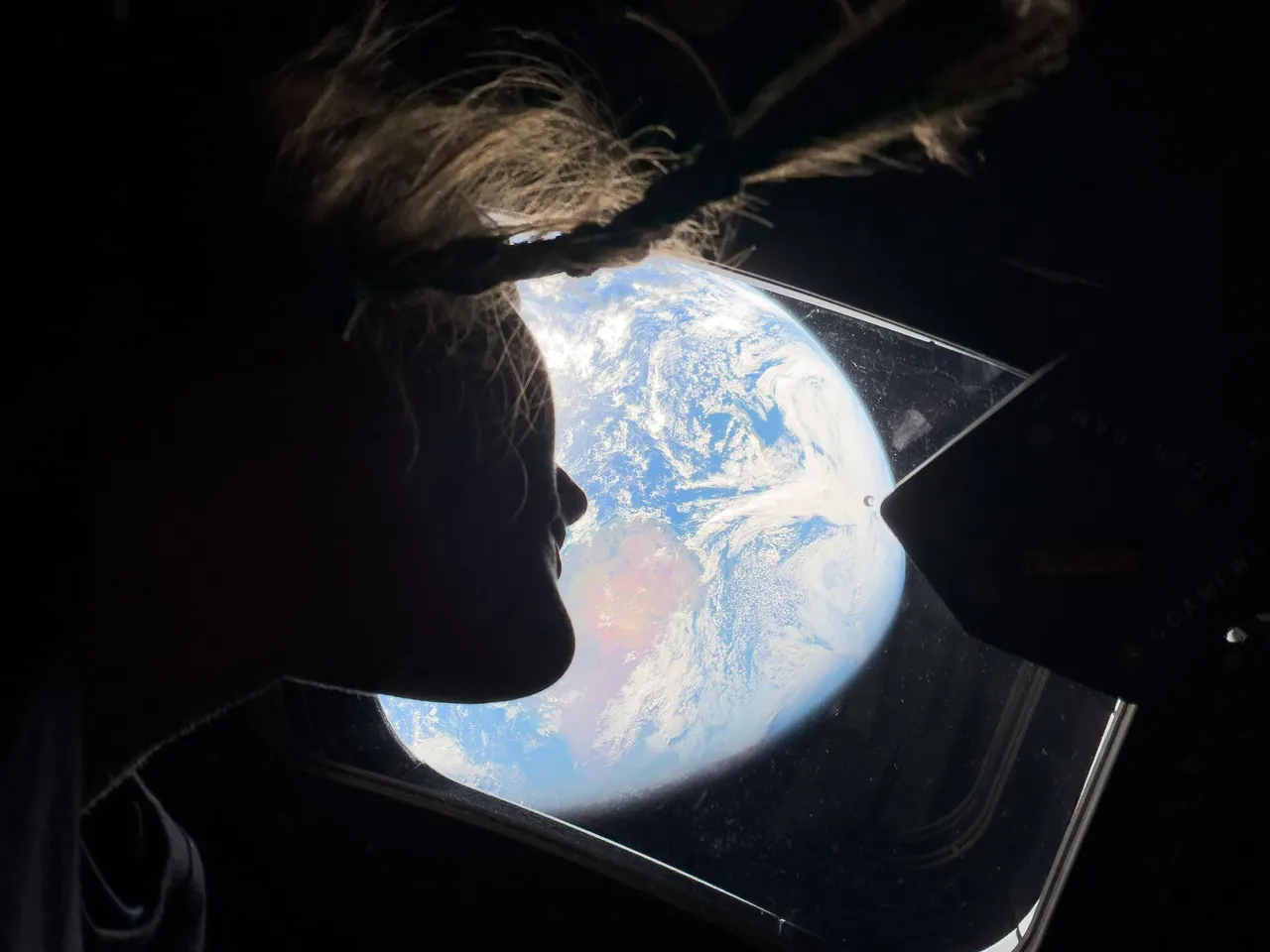
At ART Vortn Vis, your origin and your social status do not matter; only who you are as a person. Everyone is a child of the place, time and circumstances they grew up in. But in the end we are all people, all living on the same little globe in the almost endless universe. You are not responsible for what you did not choose yourself or what happened to you, but you are responsible for how you deal with it. People who are “different” come from every layer of society: poor and rich, local and foreign roots, higher and lower social class, well-off and marginal family situations, progressive and conservative, … Some have had a bit more luck in life, others a bit less. But they have their being “different” in common. The Vortn, and individual people working there, often helped others who had fallen through the cracks of the regular care system.
Volunteers
Freedom, but not without obligations
Following the DIY principle, people who work at the Vortn as volunteers get wide autonomy in their volunteer work. Volunteering is an important contribution to civil society, where citizens organise themselves to stand up for their own interests. Organising social life is too important to leave to politics and the economy alone. The volunteers of the Vortn are not treated as free staff and, the DIY way, have plenty of room for free initiative. That freedom does not come without obligations, though, because along with that freedom come the responsibilities that belong to it. The less fun tasks that come with their freedoms (paperwork, cleaning, laundry and dishes, …) are not done by paid staff; they have to do those themselves too, the DIY way. That last part can be tough at times, but it does teach them to take initiative and solve problems themselves. For people who are “different”, this works better than the top-down approach in many other organisations. Playing the little boss or playing the little manager does not work with unpaid volunteers anyway. At the Vortn, volunteers can never be under the authority of paid staff. Skills picked up at the Vortn often proved useful later in life. Former volunteers of the Vortn often went on to become self-employed, whether or not out of necessity. If only because they often face discrimination from employers who find people who are “different” “not malleable enough”, “weird”, or “not a fit for their team”. And if they do find salaried work, they are often exploited in insecure, badly paid jobs. Then they might as well work for themselves.